


Issue Areas

Climate Change

Water Management

Corporate Social Responsibility

Environmental Communication

NGO Participation
in ISO

ISO 14001 and EMS

International Standardization General

Have Your Voice Heard!

Click here to find out how you can provide input on draft ISO standards.


Frequently Asked Questions about ISO

What is ISO?
Why should we care about ISO Standard?
What kind of environmental and social standards does ISO develop?

Who develops ISO's standards?
Can we participate in ISO's standard development?

What is ISO?
ISO, derived from the Greek isos, meaning "equal", is formally known as the International Organization for Standardization and is the world's largest and most widely recognized creator of international standards. It began creating technical and engineering standards for things like hardware and photo film in the late 1940s. In recent years, however, ISO has been expanding into matters relating to social and environmental policy, such as environmental management, water service delivery, and Corporate Social Responsibility.

Why should we care about ISO Standard?
ISO develops international standards for practically everything ranging from jewelry to aircraft, from dentistry to tourism (the main exception is electronic technologies and communication, for which there are other developers). If you've purchased a car in the last decade, bought a household good or gone to the lumber store for new decking, ISO standards have touched your life.

ISO standards affect not only the products and goods themselves, but also how they are produced. More than half of the Fortune 100 companies hold ISO certification for quality management, and more than 20 percent use an ISO standard to manage their environmental affairs. Some of the many companies who use ISO standards include Ford Motor Company, Coca Cola, and Hewlett-Packard.

ISO's influence is exercised not only through its size and popularity, but also because the standards it creates are "trade-legal" as recognized by the World Trade Organization (WTO). This means that the countries that are members of the WTO are strongly urged to adopt the ISO standards as national standards; otherwise, their own non-conforming (and sometimes stricter) standards can be considered barriers to trade. Once nationalized, these international standards can become market requirements even for companies without foreign operations. Therefore, even though the ISO standards are defined as "voluntary", any new standards or norms created by ISO have potentially huge impact on domestic policies, regulation and our quality of life.

What kind of environmental and social standards does ISO develop?
ISO's initial focus was the development of technical standards for specific products or technologies. However, ISO's scope has significantly expanded beginning in 1993 with its move into the environmental management arena. Since then, ISO has begun developing standards in water management, climate change, and corporate social responsibility, among other areas. These new standards can, and will, have a sizable influence on businesses, governments, and civil society around the world. There are currently four major sustainable development-related areas in which ISO is engaged:

Environmental Management
ISO 14000 standards govern organizations' environmental management practices. Environmental Management Systems are systematic approaches, implemented by industry and government agencies around the world, to track and reduce pollution and waste. In Europe, for example, the ISO 14001 environmental management system standard has become the centerpiece of its voluntary regulation, the Eco-Management and Audit Scheme (EMAS). The ISO 14000 standards have become some of ISO's most widely known standards ever, with the series' cornerstone standard, ISO 14001, being adopted by more than half a million organizations worldwide.

Climate Change
Climate change is one of the most critical environmental issues we face. In 2002, ISO began standards work in the area of greenhouse gas (GHG) emission quantification, verification, and reporting. Although intended to be "regime neutral," many believe that ISO's standards on GHG accounting will directly advance implementation of the Kyoto Agreement on Climate Change. But these standards could also conflict with existing, stricter standards, such as the Greenhouse Gas Protocol created by the World Resources Institute and World Business Council on Sustainable Development, or greenhouse gas registries being developed by sub-national and regional governments.

Water Management
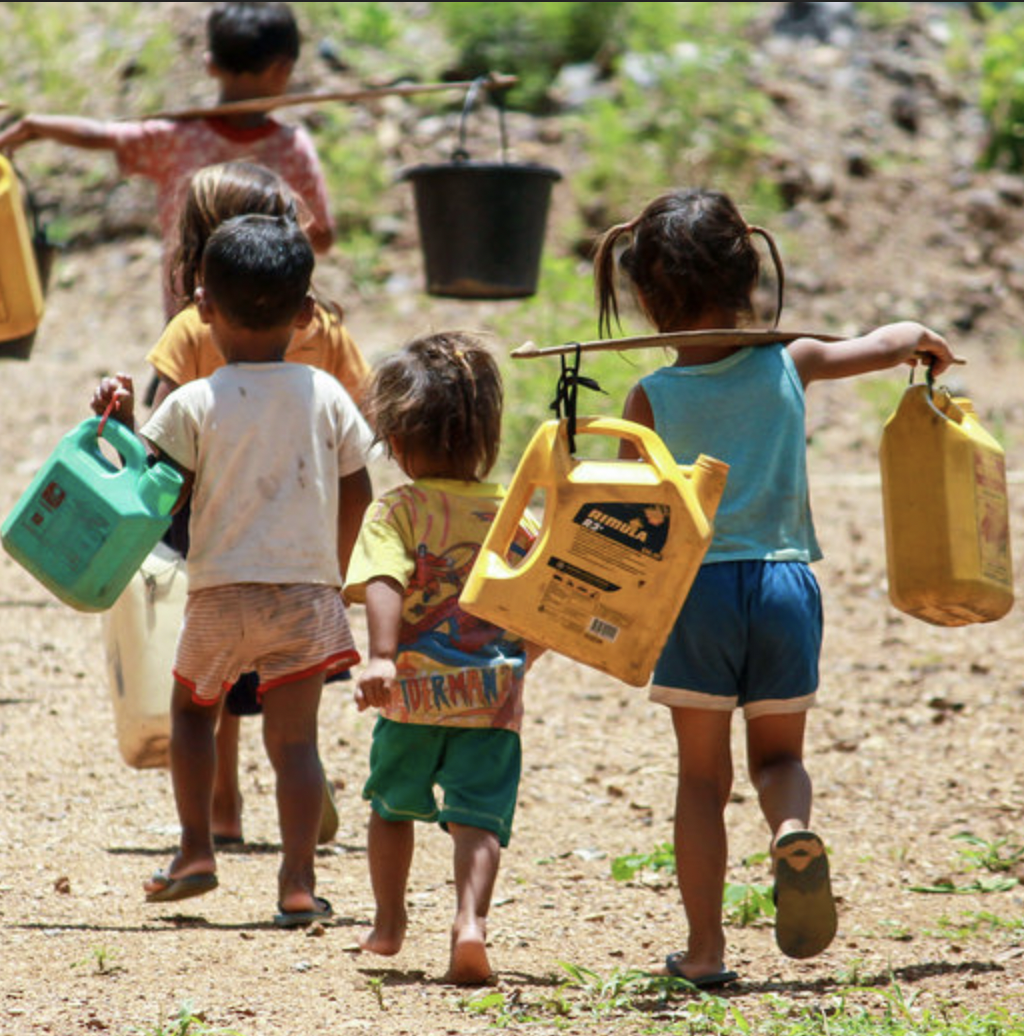
In 2002, ISO created a new Technical Committee TC224 to develop new standards in the area of drinking water and wastewater services and management. This water committee was proposed by the French standards body, AFNOR, which is significant because two French corporations - Veolia and Suez - dominate the international water management services sector, with water projects in 120 countries. Standardization in this area may accelerate what some consider an unacceptable push toward global water privatization. The NGO community in America is also extremely concerned about the impact of these standards on trade and democracy.

Corporate Social Responsibility
Most recently, ISO decided to develop a guidance standard in the area of Social Responsibility. Considering ISO's vast market reach, there is a concern this new ISO standard could serve as a competitor for more stringent NGO-led CSR initiatives, or could preempt new government requirements or regulations regarding the social obligations of businesses.

Who develops ISO's standards?

Although ISO's new environmental and social standards affect a much broader range of audiences and stakeholders than the traditional technical standards, their development is still largely influenced by private companies and consultants from industrialized nations. Indeed, ISO's transformation from creating technical engineering standards to developing standards related to environmental and social policy has gone virtually unnoticed and unchecked by most environmental and social justice organizations. Without input from all affected interests, the standards could undercut national protections and hamper progress toward sustainable development.

Can we participate in ISO's standard development?
It is very important for affected stakeholders to have their voice heard during the ISO standards development process. There are three formal ways to participate in ISO's standard development, which we discuss below. But your first step should be getting informed by signing up for our free and informative INNI newsletter.

Provide input to national member bodies
The first step interested parties and individuals can take to provide their feedback on ISO standards under development is to contact their national member bodies. According to ISO rules, national member bodies are required to take into account the views of all relevant interests within their jurisdiction. We at the INNI Secretariat encourage you to provide feedback on the draft ISO standards in which you have an interest. You can do this by contacting the national member body in your country to provide your comments. You can also contact the leaders of the respective Technical Committees and Working Groups developing these standards.

Participation as a part of a member body's international delegation
ISO standards are developed through "consensus building" among member countries. Each member country creates its national position through domestic consultations, and then sends its representative "expert delegates" to international meetings where the contents of standards are discussed. Representatives of NGO organizations can participate in these international meetings to provide their input. Contact the national member body in your country to become a member of your country's delegation.

Participation as a part of liaison groups
International NGOs and civil society groups can participate in international meetings by applying to become a "liaison organization" to the ISO Technical Committee responsible for developing a particular standard. Representatives of liaison organizations can attend international meetings to provide their input, although they do not have voting rights vis-à-vis approval/disapproval of standards. Contact the leaders of the respective Technical Committees to participate as a liaison organization.

To learn more about how to participate in ISO's standard development, there are two documents for reference:
A Guide for NGO Participation in ISO/TC 207
Increasing the Effectiveness of NGO Participation in ISO TC207


INNI Home | Issue Areas | Resources | About INNI | Pacific Institute Home Page

Problems? Contact Webmaster | (C) 2003