|
Water Fact Sheet Looks at Threats, Trends, Solutions
"When the well is dry, we learn the worth of water."
- Ben Franklin, Poor Richard's Almanac 1733
On the subject of water, three key trends confront us: Global
Warming will likely change rainfall and runoff patterns and seriously
impact our water supplies both in the United States and abroad;
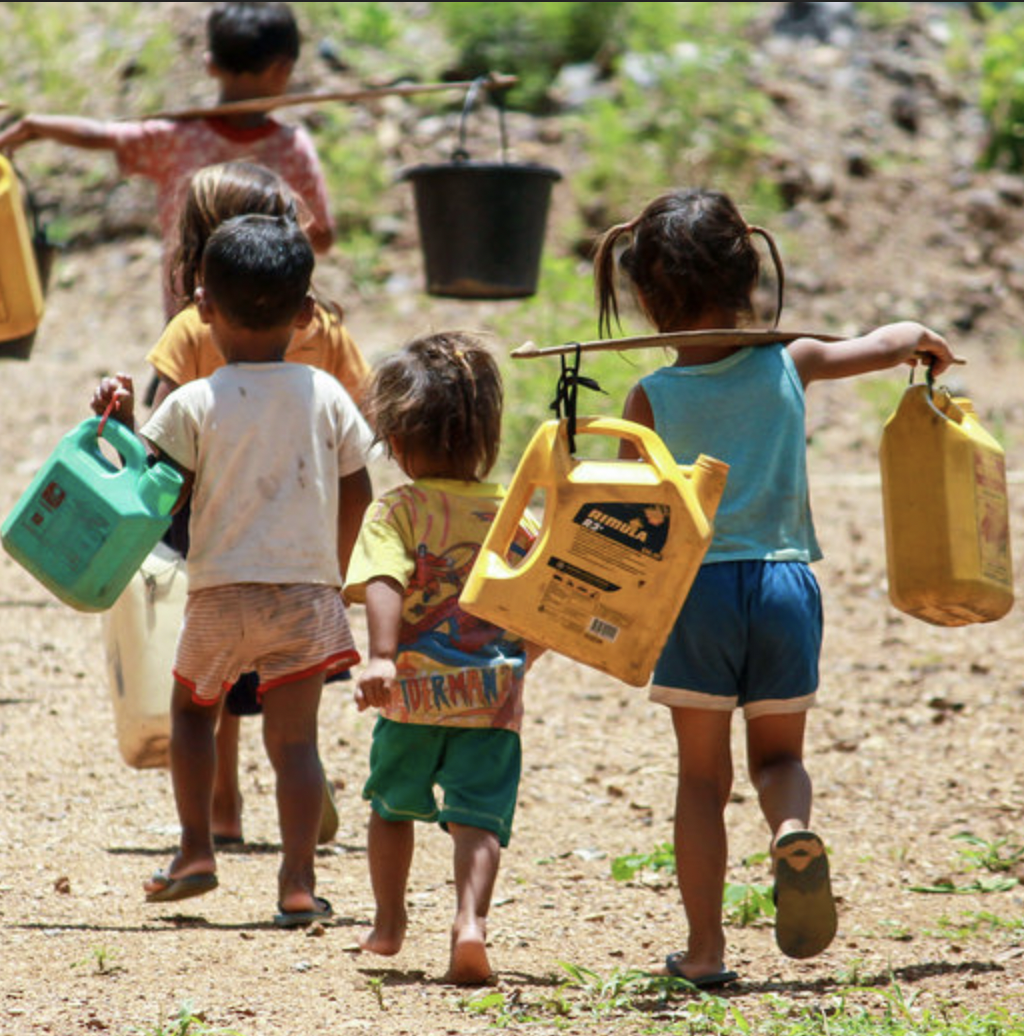
1.2 billion people in the developing world still don't have access
to clean drinking water and pressure from pollution, wetland destruction,
and climate change is threatening to make this worse; the dangers
of water privatization demand greater scrutiny from governments
and the public.
New approaches to the way we manage water are key to meeting
these challenges. Water managers, policy-makers and the general
public must recognize that today's threats will become tomorrow's
tragedies without swift action to combat climate change, protect
wetlands, guard against the dangers of privatization, and reduce
our use of water. The good news is by improving how efficiently
we use water we can protect the environment, provide for agriculture
and industry, and ensure there is plenty of clean drinking water
for people around the world.
Facts on the World's Water
· The Earth has 1,386,000,000 km3 of water total but only
2.5 percent of that is fresh water (35,029,000 km3 or 9,254,661,800
billion gallons of fresh water).
· Less than 1 percent of the world's fresh water (or 0.01
percent of all water) is usable in a renewable fashion.
· The average person needs a minimum of 1.3 gallons (5
liters) of water per day to survive in a moderate climate at an
average activity level. The minimum amount of water needed for
drinking, cooking, bathing, and sanitation is 13 gallons (50 liters).
· The average person in the United States uses between
65 to 78 gallons of water (250 to 300 liters) per day for drinking,
cooking, bathing, and watering their yard. The average person
in the Netherlands uses only 27 gallons (104 liters) per day for
the same tasks.
· The average person in the African nation of Gambia uses
only 1.17 gallons (4.5 liters) of water per day.
Trend: Global Warming Threatens U.S. Water Supplies and Economy
Delaying action to combat global warming could threaten U.S.
water supplies. Global warming won't just result in higher temperatures,
it also threatens to disrupt traditional weather and run-off patterns
and could increase the frequency and severity of drought and floods.
This is one reason why taking effective action now to slow global
warming is so important."The Pacific Institute's research
indicates that climate change will likely pose a serious threat
to the United States," said Dr. Peter H. Gleick, President
of the Pacific Institute. "One of the most troubling impacts
of unchecked global warming involves the U.S. water supply. Global
warming will change when and where we get snow and rain. If our
snow pack melts too quickly or if water that falls as snow turns
to rain, we'll see more flooding in the winter and less water
during the summer when we need it most.
Facts about global warming in the United States:
· There is an increased risk of severe floods and droughts
associated with climate change.
· Snowfall and snowmelt will be significantly affected
in the Sierra Nevada, Rocky Mountains, and the Pacific Northwest,
leading to changes in the timing and amount of runoff.
· Rising sea levels will threaten coastal aquifers and
water supplies. Vulnerable regions include Cape Cod, Long Island,
the coastal aquifers of the Carolinas, and the central coast of
California.
· Global warming, by increasing temperatures in lakes and
streams, melting permafrost, and reducing water clarity, could
seriously threaten fish and other animals that live in water as
well as harming critical habitat like wetlands. More
about the impacts of climate change on water...
Trend: Growing Threats to World's Water Demand New Approach
Freshwater is essential for human survival, for agriculture and
for the survival of our planet's plants and animals. But pollution,
climate change, water-related disease, and the destruction of
our natural world all threaten the purity and availability of
our most precious resource. Despite the pressing nature of these
threats, water institutions and policymakers have, so far, been
largely unable to develop the tools and approaches needed to address
these problems."The best way to solve emerging threats to
the world's fresh water is by rethinking how we use and manage
our scarce resources," said Dr. Peter H. Gleick, President
of the Pacific Institute. "We must look at ways to increase
our efficiency of use, instead of just building more dams and
reservoirs. Improving the efficiency of our water systems, taking
real steps to tackle global warming, and opening the policy debate
over water to new voices can help turn the tide."
Facts about emerging threats to the world's water:
· An estimated 1.2 billion people do not have access to
clean drinking water. Lack of clean drinking water leads to nearly
250 million cases of water-related disease each year and between
5 and 10 million deaths.
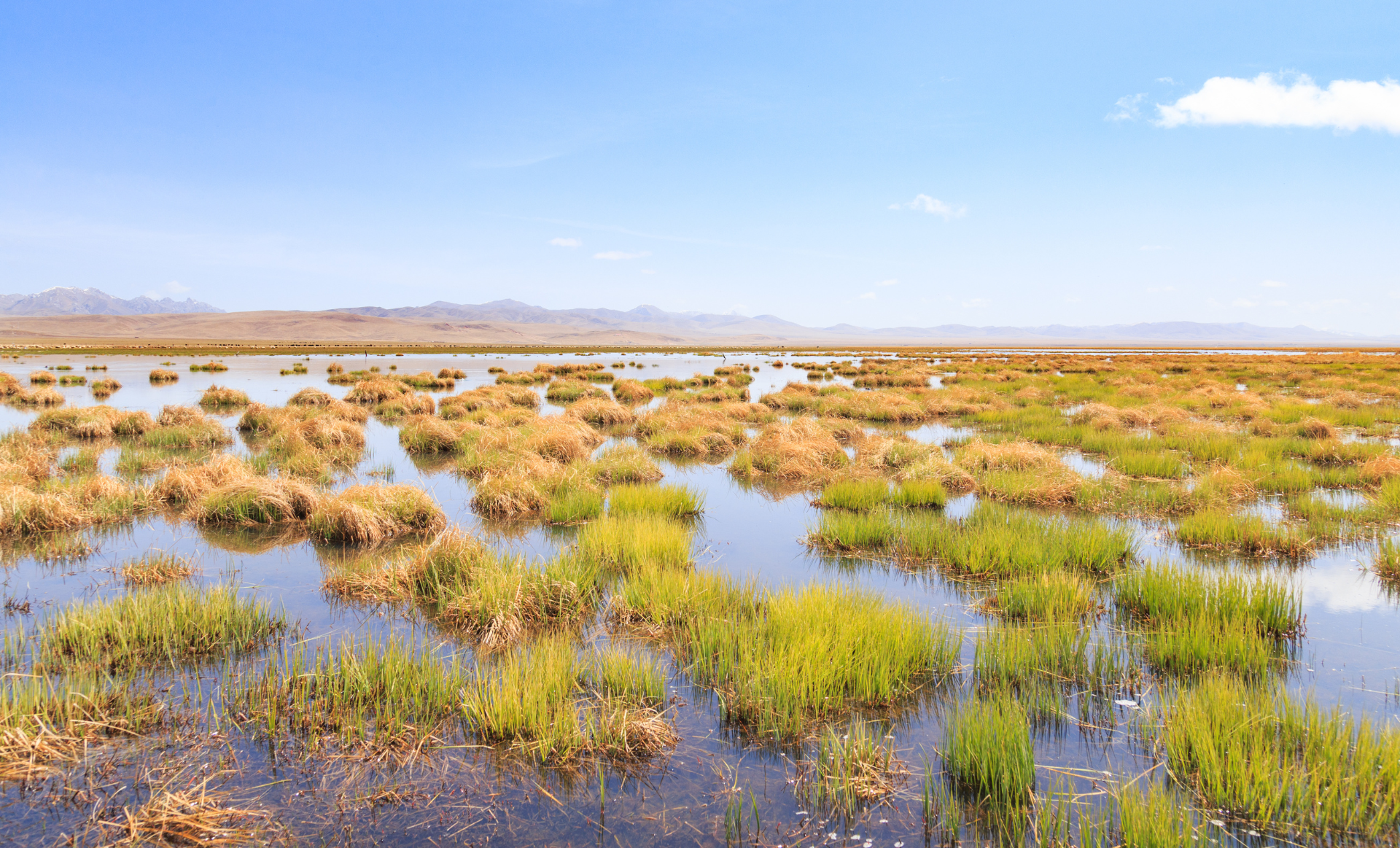
· In the past century over half of all wetlands on the
planet have been lost to development and conversion. Wetlands
are important to the health of natural systems and people because
they act as filters and flood buffers.
· Water pollution is a serious threat to the world's water.
Microbes, salts, and pollution from agriculture and industry
all contribute to the problem.
· Global warming will likely have major impacts on the
world's freshwater resources. Some areas will suffer more frequent
and severe droughts; other places will face more frequent and
severe floods. More
about Threats to the World's Freshwater Resources...
Trend: Dangers of Water Privatization Demand Greater Scrutiny
Water privatization - turning the operation, control, or ownership
of public water supplies over to corporations - is increasing
both overseas and in the United States. In the U.S., cities like
Stockton, California, Jersey City, New Jersey, New Orleans, and
Atlanta have all experimented with water privatization. Though
certain types of privatization can help water utilities become
more efficient or provide water - especially to those in the developing
world who currently lack basic services - there are a host of
dangers. "There is little doubt that the headlong rush to
private markets has failed to address some of the most critical
issues and concerns about water," Dr. Peter H. Gleick, President
of the Pacific Institute. "Our assessment shows that rigorous,
independent review of water privatization efforts are necessary
to protect the public. Water is far too important to human health
and the health of our natural world to be placed entirely in the
private sector."
Facts about water privatization:
· Communities around the nation are experimenting with
water privatization including: Lee County, Florida; Atlanta, Georgia;
New Orleans; Jersey City, New Jersey; Chattanooga, Tennessee;
Peoria, Illinois.
· 14.8 billion gallons of bottled water (57 billion liters)
were sold worldwide in 1996 and sales of over 37 billion gallons
(143 billion liters) are expected by 2006.
· People in the United States consumed over 4.4 billion
gallons (17 billion liters) of bottled water in 1999 at a cost
of nearly $5 billion. More
about the New Economy of Water...
Solution: Using Water More Efficiently Key to Meeting Future
Demands
As the trends show, there are many serious threats to the world's
supply of fresh water. But the good news is that we have a solution
that can help us solve, or at least make headway, on all of these
problems: improving efficiency. Work at the Pacific Institute
indicates that California residents are using almost 35 percent
more water than they need to be. And, previous work has shown
that there are a host of innovative techniques that can be applied
to the residential, commercial, and agricultural sectors to improve
our efficiency and conserve water.
Facts about water efficiency:
· Many technologies that are already available can help
us save enough water to hedge against climate change and
reduce stress on threatened natural resources while still
allowing us to meet our needs for agricultural, industrial,
and residential use.
· By 2020, enough water can be saved from indoor
residential uses alone to meet the needs of over 5 million
people.
· Proper irrigation can save another 450 thousand-acre-feet
(KAF) of water per year. This is enough to satisfy the
needs of another 3.6 million people (1 acre-foot supplies
two households of four people for a year).
Download
"Sustainable Use of Water: California Success Stories"
(PDF)
|